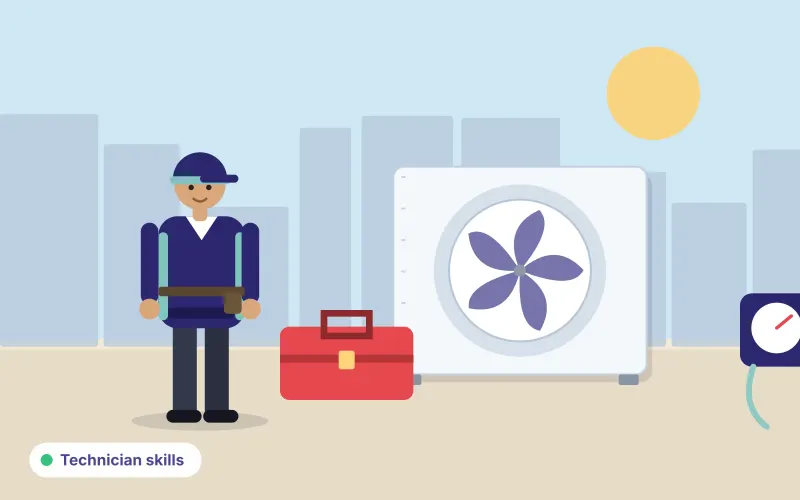
In a country where air conditioning runs for much of the year, skilled technicians are always needed. If you are curious about the trade, this guide explains what the work involves and how people typically build skills. It is general information, not advice on any specific employer, qualification or pay. Requirements and rules change, so check with the relevant authorities and training providers in Bahrain.
What the job involves
An AC technician may handle:
- Installation of split, window and other systems
- Maintenance, including cleaning coils and filters and checking drains
- Fault finding on electrical, mechanical and refrigerant-side problems
- Repair, replacing fans, capacitors, sensors and other parts
- Customer communication, explaining findings and options clearly
The work can be physical and hot. It often involves working at height, in confined spaces and in summer conditions, so safety awareness is essential.
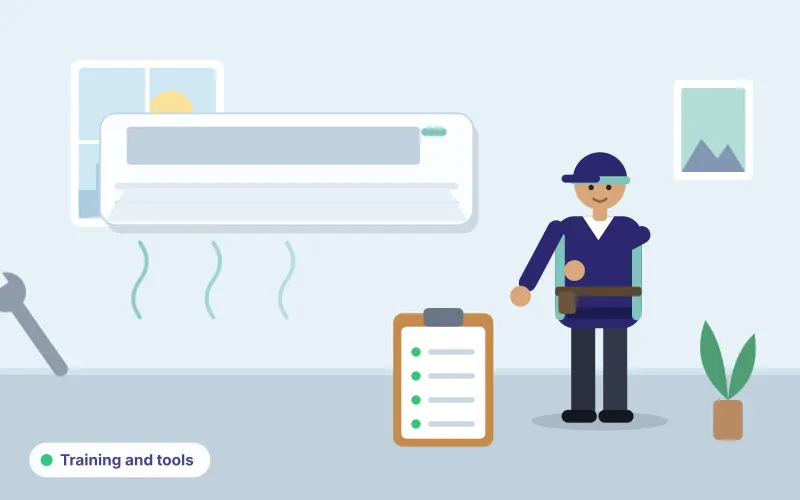
Skills that matter
Technical
- Understanding of the refrigeration cycle
- Basic electrical knowledge and safe testing
- Use of gauges, meters and other instruments
- Reading wiring diagrams and manuals
- Safe handling of tools and equipment
Practical
- Methodical diagnosis rather than guesswork
- Tidy, careful workmanship
- Time management across several jobs
Personal
- Honest, clear communication with householders
- Respect for homes and property
- Willingness to keep learning as models change
Routes into the trade
People typically begin by:
- Formal training at a technical or vocational institution, where available.
- Apprenticeship-style work alongside an experienced technician.
- Short courses on specific topics such as refrigerants, electrical safety or inverter systems.
- Self-study, with manufacturer manuals and training material.
Check what is currently recognised and required in Bahrain, including any licensing or certification for handling refrigerants, before you plan your route.
Safety first
Growing a career
Technicians can broaden their skills into specialist areas, such as central and commercial systems, controls, refrigeration or training others. Some move into supervision or run their own businesses. A reputation for honest diagnosis and reliable work travels far.
What good service looks like
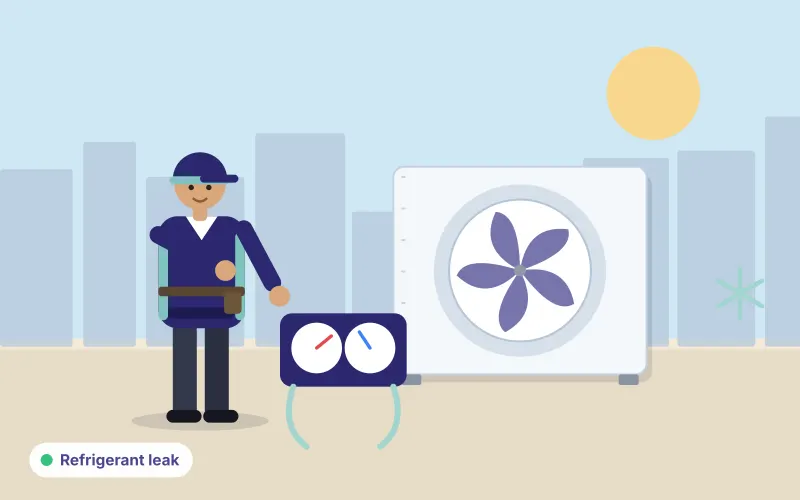
Customers value technicians who diagnose before replacing parts, explain findings plainly and respect their homes. You can see this approach on our pages about AC repair and AC maintenance. Understanding topics like refrigerant leaks is part of the craft.
Need help with your AC or appliance?
Call or message us on WhatsApp. Tell us the appliance, its make and model if you have them, and what is happening. A photo or short video of the fault helps.
Available 24/7 · We aim to respond within 30 minutes · 6-month warranty on repair work
Frequently asked questions
Do I need qualifications to become an AC technician?
Many people begin with training or supervised work. Check Bahrain's current requirements and any certification needed for handling refrigerants.
Is the work physically demanding?
It can be, with heat, heights and tight spaces. Good safety habits are essential.
Can I learn on the job?
Many technicians learn alongside experienced colleagues, combined with formal learning. Safety training matters from the start.
How do technicians keep up with new models?
Through manuals, manufacturer training, short courses and experience with different units.