
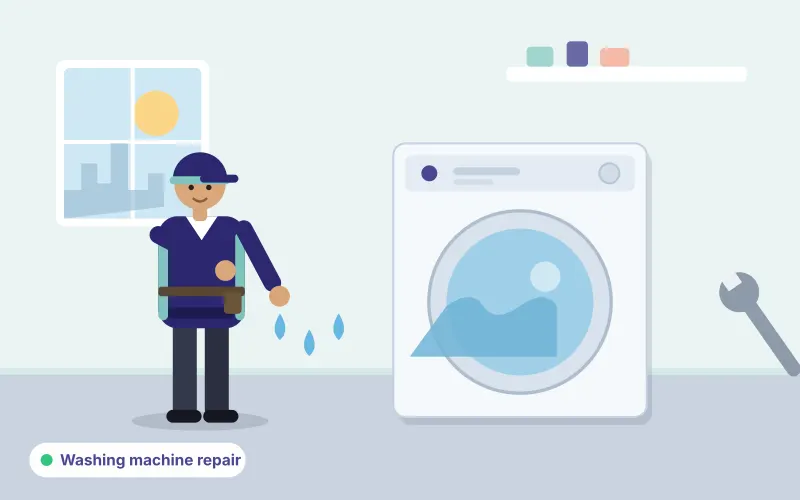
What goes wrong with washing machines
A washing machine fills with water, heats it, tumbles, drains and spins, all while managing balance, suds and a door lock. That means a long list of moving and electrical parts: inlet valve, drain pump, motor, drum bearings, door seal, heating element, pressure switch and control board. When one fails, the symptoms are often dramatic: water on the floor, a drum full of dirty water, a machine that jumps across the room or one that simply stops.
Hard water scale, lint and small items in pockets are common culprits, and a washer that runs several loads a day in a busy family household will wear faster than one used occasionally. This service applies to front-loading and top-loading washers in homes, laundrettes and small businesses.
Common washing machine problems
- Water leakingPerished door seal, loose or split hoses, a worn pump seal, overfilled detergent drawer or blocked drain filter.
- Will not drainBlocked filter or pump, kinked drain hose or a failed drain pump.
- Will not spinUnbalanced load, drain failure, motor or control faults, or a worn belt on some models.
- Violent shaking or bangingUneven feet, transit bolts left in, worn shock absorbers or damaged drum bearings.
- Will not fill or fills slowlyClosed tap, blocked inlet filter or a faulty inlet valve.
- Door will not open or closeDoor lock or latch faults, or a drain issue that keeps the lock engaged.
- Does not heat waterHeating element or temperature sensor fault.
- Error code on the displayCodes point to the fault area. Note the code and tell us.
- Loud grinding or rumbling during spinOften worn drum bearings.

How we diagnose a washing machine
- Gather the historyWhich stage of the cycle fails, any error codes, noises, leaks, and what has already been tried.
- Check outside the machineTaps, inlet hoses, drain hose height and kinks, level feet and any transit bolts.
- Check accessible componentsDoor seal, detergent drawer, drain filter and visible hose connections are inspected.
- Run diagnostics and test partsThe machine is run, error codes are read and key parts such as the pump, inlet valve, door lock, heater and motor circuits are tested.
- Explain, repair and testWe explain the cause and the repair, carry it out and test a cycle to confirm the fault is gone.
Prevention that really works
Most washer failures are preventable. Check pockets for coins, hair pins and tissues, which jam pumps. Use the right amount of detergent, because too much creates suds that confuse sensors and leave residue. Leave the door and detergent drawer ajar after use so moisture escapes. Clean the drain filter every few months if your model has an accessible one. In areas where limescale builds up, descale periodically; our article on hard water scale and home appliances explains what to look for.

What you can safely do first
- Switch off and unplug the machine before touching anything behind or underneath it.
- Check the water tap is open, the inlet hose is not kinked and the drain hose is not crushed behind the machine.
- If there is water in the drum, place towels and a shallow tray before opening any drain filter, and follow the manual.
- Remove and redistribute very heavy or unbalanced loads.
- Make sure the machine stands level and any transit bolts from a new installation have been removed.
Signs it is time to call
Water on the floor, a burnt smell, repeated error codes, a drum that does not spin freely by hand when empty and switched off, or a machine that stops mid-cycle with water inside all deserve prompt attention. See our list of early warning signs before a washing machine floods.
Need help with your AC or appliance?
Call or message us on WhatsApp. Tell us the appliance, its make and model if you have them, and what is happening. A photo or short video of the fault helps.
Available 24/7 · We aim to respond within 30 minutes · 6-month warranty on repair work
Washing machine repair FAQs
Why does my washing machine leave water in the drum?
The pump may be blocked or failed, the drain hose may be kinked or the pressure sensor may not be telling the control board that the drum is empty.
Is a shaking machine dangerous?
It can damage floors, hoses and the machine itself. Level the feet, check for transit bolts and avoid overloading. If it still shakes, the shock absorbers or bearings may be worn.
Can leaking door seals be repaired?
The seal is usually replaced rather than patched. A tear or perished area will keep leaking, so replacement is the lasting fix.
How long should a washing machine last?
Lifespan varies with brand, load and care, but proper levelling, correct detergent use and prompt repairs help it last. If the repair is large compared with the machine's age and value, we will tell you.
My machine smells musty. Is that a fault?
Usually it is residue and damp, not a fault. Run a hot maintenance wash with a suitable cleaner, wipe the door seal and leave the door open between uses.
Helpful guides
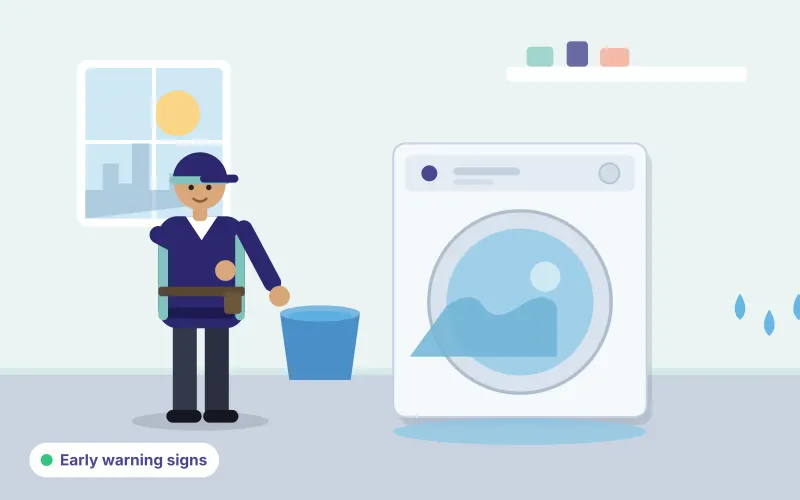
Washing Machine Guides
Washing Machine Warning Signs Before a Flood
Washing machine floods rarely come without warning. Learn the early signs, the safe checks and the steps to take if water is already spreading.

Home Maintenance
Hard Water, Scale and Your Home Appliances
Scale quietly shortens the life of water-using appliances. Learn how to spot it and how to limit the damage.
Home Maintenance
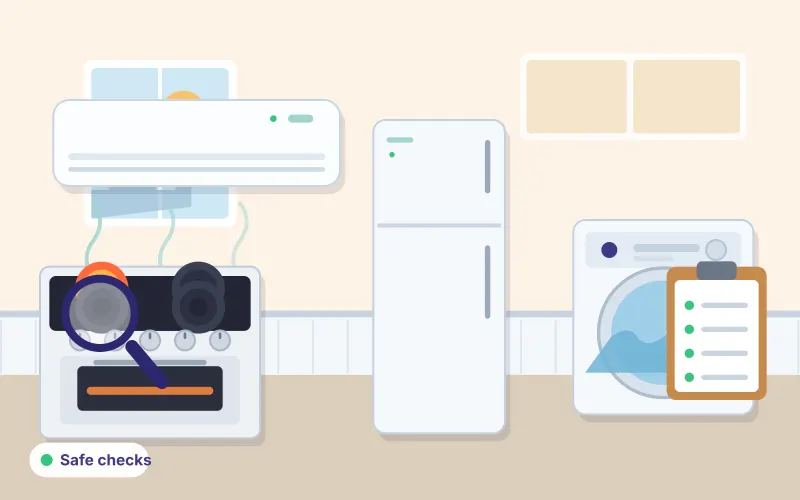
Everyday Appliance Faults: Safe Checks Before You Call a Technician
Many calls start with a loose plug or a tripped breaker. These checks are safe for anyone and make any repair visit smoother.